

GSA Global provides a Counterintelligence-Informed Cyber Threat Assessment to help organisations understand who may target them, why they may be targeted, and how those threats could affect cyber resilience, operational continuity, recovery, and leadership decision-making.

Cyber risk is not solely a technical challenge. The intent, capability, resources, and persistence of the threat actor often determine the real level of risk.

A financially motivated criminal group, hostile state actor, malicious insider, activist network, or compromised supplier may each require a very different response.

GSA’s counterintelligence-informed cyber threat assessment helps organisations move beyond generic cyber threat reporting to develop a clearer understanding of the specific adversaries, vulnerabilities, and strategic risks relevant to their operating environment.

Understanding the Threat Behind the Attack

Many cyber threat assessments focus on vulnerabilities, malware, tactics, and attack techniques.

While this information is valuable, it does not always explain why a particular organisation may be targeted or what an adversary is seeking to achieve.

Our counterintelligence-informed approach examines factors such as:

  • Threat actor intent and motivation
  • Strategic interest in the organisation
  • Access opportunities and vulnerabilities
  • Insider and third-party exposure
  • Influence and coercion risks
  • Operational and reputational impacts
  • Long-term adversary objectives

This provides leadership teams with a deeper understanding of the risks that matter most to their organisation.

Contact us about a Counterintelligence-Informed Cyber Threat Assessment
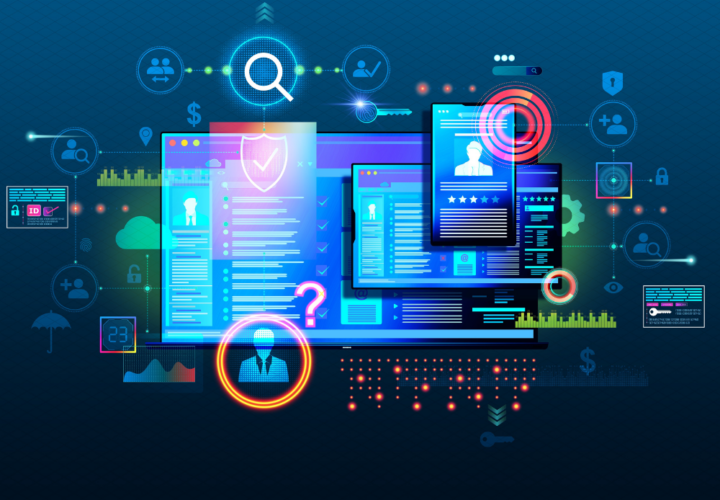
Threat Actor Profiling

Different adversaries operate in different ways.

GSA helps clients assess which threat actors are most relevant to their sector, activities, leadership profile, and operating environment.

Assessments may consider:

  • Organised cyber criminal groups
  • State-sponsored and state-linked actors
  • Insider threats
  • Hacktivist groups
  • Fraud and organised crime networks
  • Compromised suppliers and third parties

Threat actor profiling helps organisations understand likely motivations, targeting criteria, attack methodologies, persistence levels, and potential consequences of compromise.

This enables more informed resilience, security, and risk management decisions.

Contact us about a Counterintelligence-Informed Cyber Threat Assessment

Hostile State Actor & Strategic Threat Assessments

Some organisations may attract interest from hostile state actors because of their technology, clients, data, sector, geographic footprint, leadership, or role within critical supply chains.

Unlike criminal actors, hostile state-linked adversaries may be motivated by:

  • Strategic influence
  • Long-term intelligence collection
  • Disruption of services
  • Technology acquisition
  • Supply chain compromise
  • Geopolitical objectives

GSA helps organisations assess whether hostile actor interest is credible and understand how this could affect cyber security, recovery planning, supplier assurance, executive protection, and operational resilience.

Contact us about a Counterintelligence-Informed Cyber Threat Assessment
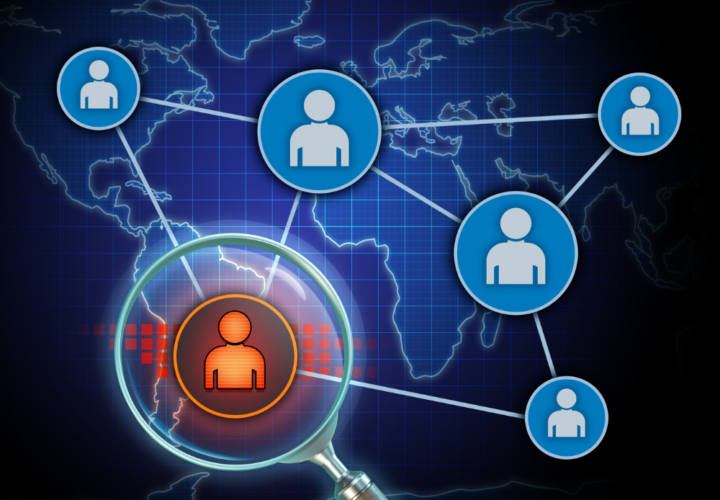
Insider Risk Assessment

Not all cyber threats originate outside the organisation.

Insider risks may arise through malicious intent, negligence, coercion, compromise, or inappropriate access to sensitive systems and information.

Our assessments examine factors such as:

  • Privileged access exposure
  • Sensitive roles and functions
  • Third-party access arrangements
  • Behavioural indicators
  • Access governance controls
  • External influence risks
  • Personnel and contractor vulnerabilities

The objective is not to assume wrongdoing, but to identify areas where people, trust, and access may create increased organisational risk.

Contact us about a Counterintelligence-Informed Cyber Threat Assessment

Supply Chain & Third-Party Risk

Third parties are often one of the most significant sources of cyber exposure.

Suppliers, outsourced providers, software vendors, consultants, and service partners may have access to critical systems, sensitive information, or essential business processes.

GSA assesses:

  • Supplier criticality
  • Access levels and privileges
  • Jurisdictional considerations
  • Ownership structures
  • Concentration risk
  • Operational dependencies
  • Known security concerns
  • Supply chain resilience

This helps organisations understand where third-party relationships may increase operational, cyber, or strategic risk.

Contact us about a Counterintelligence-Informed Cyber Threat Assessment

Threat-Informed Recovery Planning

The identity and intent of an attacker can significantly influence recovery decisions.

Recovering systems without understanding whether an adversary remains present, has compromised recovery processes, or retains access to critical systems can introduce additional risk.

GSA helps organisations assess how threat intelligence should influence:

  • Recovery sequencing
  • Communications strategies
  • System restoration decisions
  • Data validation processes
  • Supplier engagement
  • Leadership decision-making
  • Ongoing monitoring requirements

This supports more informed and resilient recovery following a cyber incident.

Contact us about a Counterintelligence-Informed Cyber Threat Assessment

Board & Executive Threat Briefings

Senior leaders need threat intelligence translated into business risk.

GSA provides confidential briefings for:

  • Boards of Directors
  • CEOs and Executive Committees
  • CISOs and Security Leaders
  • Risk and Compliance Leaders
  • Family Offices
  • Private Client Organisations

Our briefings connect cyber threats with operational, strategic, reputational, governance, and resilience considerations.

The goal is to help leadership teams understand their organisation’s unique threat landscape rather than relying solely on broad industry reporting.

Contact us about a Counterintelligence-Informed Cyber Threat Assessment
When to Consider a Counterintelligence-Informed Cyber Threat Assessment
This service may be appropriate if your organisation:

  • Operates in a sensitive, regulated, or high-profile sector
  • Holds valuable intellectual property or commercially sensitive information
  • Supports government, defence, critical infrastructure, or financial services clients
  • Has concerns about hostile state actor activity
  • Relies on outsourced technology or critical suppliers
  • Has elevated insider risk exposure
  • Is preparing for a cyber resilience assessment or crisis exercise
  • Has experienced a cyber incident and requires a deeper understanding of the likely adversary
  • Is entering a new market, acquisition, partnership, or supply chain relationship
  • Requires board-level understanding of its threat landscape

Contact us about a Counterintelligence-Informed Cyber Threat Assessment

Why Counterintelligence Matters

Effective cyber resilience depends on understanding not just how an attack could happen, but who may be behind it and why.

The same cyber incident may require very different leadership decisions depending on whether it involves:

  • Criminal extortion
  • Insider compromise
  • Supply chain infiltration
  • Activist disruption
  • Strategic state-sponsored activity

A counterintelligence-informed approach helps organisations identify hidden risks, challenge assumptions, strengthen resilience planning, and make better decisions before, during, and after a cyber incident.

Contact us about a Counterintelligence-Informed Cyber Threat Assessment

If your organisation needs a clearer understanding of hostile actor interest, insider risk, supply chain exposure, or the wider threat landscape affecting cyber resilience, contact GSA Global to discuss your requirements in confidence.

Speak to GSA about a Counterintelligence-Informed Cyber Threat Assessment

Frequently Asked Questions (FAQs)

What is a Counterintelligence-Informed Cyber Threat Assessment?

A Counterintelligence-Informed Cyber Threat Assessment examines who may target an organisation, why they may be interested, and how their intent, capabilities, and objectives could affect resilience, recovery, and decision-making.

How is this different from traditional cyber threat intelligence?

Traditional cyber threat intelligence often focuses on vulnerabilities, malware, attack techniques, and sector-wide trends. A counterintelligence-informed assessment takes a more strategic view by examining adversary intent, insider risk, supply chain exposure, and organisation-specific targeting considerations.

How does understanding threat actor intent improve cyber resilience?

Understanding likely adversaries helps organisations make more informed decisions about cyber controls, resilience investments, recovery planning, supplier assurance, executive protection, crisis exercising, and incident response.

Can the assessment include insider risk?

Yes. Insider risk is often a critical element of the assessment. We can examine privileged access, sensitive roles, third-party access arrangements, behavioural indicators, and areas where individuals may be vulnerable to coercion, compromise, or misuse of access.

When should an organisation commission a threat assessment?

Threat assessments are particularly valuable before major resilience programmes, regulatory reviews, strategic transactions, significant organisational change, market expansion, crisis exercises, or following a cyber incident where the threat actor profile remains unclear.

Subscribe to our newsletter to keep up to date with all the latest news

Areas of interest

Marketing permissions

Please select all the ways you would like to hear from GSA Global:

You can unsubscribe at any time by clicking the link in the footer of our emails. For information about our privacy practices, please see our privacy policy.

We use Mailchimp as our marketing platform. By subscribing, you acknowledge that your information will be transferred to Mailchimp for processing. Learn more about Mailchimp's privacy practices.

GSA Global